1968 Lincoln Cent Date Guide
Mintmarks return on cents

1968 overview
Philadelphia (MS)
Photo Credit: Cotgreave Collection
(click images above to see larger view)
- Mintage
- 1,707,880,970
- Mintage Ranking for Type
- (93 of 126)
Denver (MS)
Photo Credit: Cotgreave Collection
(click images above to see larger view)
- Mintage
- 2,886,269,600
- Mintage Ranking for Type
- (83 of 126)
San Francisco (MS)
Photo Credit: Cotgreave Collection
(click images above to see larger view)
- Mintage
- 258,270,001
- Mintage Ranking for Type
- (123 of 126)
San Francisco (PR)
- Mintage
- 3,041,506
- Mintage Ranking for Type
- (32 of 54)
1968 in history

- Mintmarks returned to U.S. coins in 1968, restoring Denver and San Francisco identifiers collectors relied on.
- Martin Luther King Jr. was assassinated in Memphis on April 4, sparking grief and unrest nationwide.
- Senator Robert F. Kennedy was assassinated in Los Angeles in June during his presidential campaign.
- Richard Nixon won the presidential election, promising law and order and an honorable end to the Vietnam War.
- The Tet Offensive in Vietnam shocked Americans despite heavy communist losses.
- The Fair Housing Act banned discrimination in selling or renting homes.
- Apollo 8 astronauts orbited the Moon in December, broadcasting a Christmas Eve reading from Genesis.
- The Prague Spring reform movement in Czechoslovakia was crushed by Warsaw Pact invasion.
1968 Lincoln cent year notes
A return to mintmarks and proof sets shows that the Mint was over their problematic period of catching up to a coinage shortage and changing metallic content of most of the circulating coins. Mintage returned to pre-1965 levels with one major change — the San Francisco Mint's distinguishable S mint mark returned not only to business strike cents for the first time since 1955, but to proof coinage as well.
Special collector sets had been minted in San Francisco without mint marks since 1965, and with the lifting of the mint mark ban in 1967, the Mint decided to once again use the familiar mint mark of the west coast mint. This created the first ever U.S. issued proof coins bearing mint marks.
Doubled dies and repunched mint marks are sparsely distributed this year, although some of the known examples are very nice. This means collectors are far less likely to find die varieties on 1968 cents, but the ones they do find are usually very nice. Most sought after is a strong class 5 pivoted hub doubled die reverse found on some 1968-D cents.
One important thing to be very mindful of when searching through 1968 cents is that machine doubling is extremely common on this year's cents. Very deep devices on the coins could be one of the causes.
However, a design change in 1969 did not stop the onslaught of machine doubled coins, so deep devices cannot be the only reason. It is believed that overall quality control was lacking during this era, which would answer for many of the machine doubling problems exhibited on cents from 1968 through 1971.
Another detrimental feature of 1968 cents is the fact that the master design used for all 1968 cents is the same one that had been used for decades on the Lincoln cent and it was definitely showing its age. The details on the bust had become mushy and the motto merges with the rim on typically struck cents. This is a very common occurrence that holds most of the coins to a low GEM status at best.A return to mint marks and proof sets shows that the Mint was over their problematic period of catching up to a coinage shortage and changing metallic content of most of the circulating coins.
Mintage returned to pre-1965 levels with one major change — the San Francisco Mint's distinguishable S mint mark returned not only to business strike cents for the first time since 1955, but to proof coinage as well. Special collector sets had been minted in San Francisco without mint marks since 1965, and with the lifting of the mint mark ban in 1967, the Mint decided to once again use the familiar mint mark of the west coast mint. This created the first ever U.S. issued proof coins bearing mintmarks.
Doubled dies and repunched mint marks are sparsely distributed this year, although some of the known examples are very nice. This means collectors are far less likely to find die varieties on 1968 cents, but the ones they do find are usually very nice. Most sought after is a strong class 5 pivoted hub doubled die reverse found on some 1968-D cents.
One important thing to be very mindful of when searching through 1968 cents is that machine doubling is extremely common on this year's cents. Very deep devices on the coins could be one of the causes. However, a design change in 1969 did not stop the onslaught of machine doubled coins, so deep devices cannot be the only reason. It is believed that overall quality control was lacking during this era, which would answer for many of the machine doubling problems exhibited on cents from 1968 through 1971.
Another detrimental feature of 1968 cents is the fact that the master design used for all 1968 cents is the same one that had been used for decades on the Lincoln cent and it was definitely showing its age. The details on the bust had become mushy and the motto merges with the rim on typically struck cents. This is a very common occurrence that holds most of the coins to a low GEM status at best.
Images/Mintage
Philadelphia (MS)
Photo Credit: Cotgreave Collection
(click images above to see larger view)
- Mintage
- 1,707,880,970
- Mintage Ranking for Type
- (93 of 126)
Denver (MS)
Photo Credit: Cotgreave Collection
(click images above to see larger view)
- Mintage
- 2,886,269,600
- Mintage Ranking for Type
- (83 of 126)
San Francisco (MS)
Photo Credit: Cotgreave Collection
(click images above to see larger view)
- Mintage
- 258,270,001
- Mintage Ranking for Type
- (123 of 126)
San Francisco (PR)
- Mintage
- 3,041,506
- Mintage Ranking for Type
- (32 of 54)
1968 in history
- Mintmarks returned to U.S. coins in 1968, restoring Denver and San Francisco identifiers collectors relied on.
- Martin Luther King Jr. was assassinated in Memphis on April 4, sparking grief and unrest nationwide.
- Senator Robert F. Kennedy was assassinated in Los Angeles in June during his presidential campaign.
- Richard Nixon won the presidential election, promising law and order and an honorable end to the Vietnam War.
- The Tet Offensive in Vietnam shocked Americans despite heavy communist losses.
- The Fair Housing Act banned discrimination in selling or renting homes.
- Apollo 8 astronauts orbited the Moon in December, broadcasting a Christmas Eve reading from Genesis.
- The Prague Spring reform movement in Czechoslovakia was crushed by Warsaw Pact invasion.
1968 cent notes
A return to mintmarks and proof sets shows that the Mint was over their problematic period of catching up to a coinage shortage and changing metallic content of most of the circulating coins. Mintage returned to pre-1965 levels with one major change — the San Francisco Mint's distinguishable S mint mark returned not only to business strike cents for the first time since 1955, but to proof coinage as well.
Special collector sets had been minted in San Francisco without mint marks since 1965, and with the lifting of the mint mark ban in 1967, the Mint decided to once again use the familiar mint mark of the west coast mint. This created the first ever U.S. issued proof coins bearing mint marks.
Doubled dies and repunched mint marks are sparsely distributed this year, although some of the known examples are very nice. This means collectors are far less likely to find die varieties on 1968 cents, but the ones they do find are usually very nice. Most sought after is a strong class 5 pivoted hub doubled die reverse found on some 1968-D cents.
One important thing to be very mindful of when searching through 1968 cents is that machine doubling is extremely common on this year's cents. Very deep devices on the coins could be one of the causes.
However, a design change in 1969 did not stop the onslaught of machine doubled coins, so deep devices cannot be the only reason. It is believed that overall quality control was lacking during this era, which would answer for many of the machine doubling problems exhibited on cents from 1968 through 1971.
Another detrimental feature of 1968 cents is the fact that the master design used for all 1968 cents is the same one that had been used for decades on the Lincoln cent and it was definitely showing its age. The details on the bust had become mushy and the motto merges with the rim on typically struck cents. This is a very common occurrence that holds most of the coins to a low GEM status at best.A return to mint marks and proof sets shows that the Mint was over their problematic period of catching up to a coinage shortage and changing metallic content of most of the circulating coins.
Mintage returned to pre-1965 levels with one major change — the San Francisco Mint's distinguishable S mint mark returned not only to business strike cents for the first time since 1955, but to proof coinage as well. Special collector sets had been minted in San Francisco without mint marks since 1965, and with the lifting of the mint mark ban in 1967, the Mint decided to once again use the familiar mint mark of the west coast mint. This created the first ever U.S. issued proof coins bearing mintmarks.
Doubled dies and repunched mint marks are sparsely distributed this year, although some of the known examples are very nice. This means collectors are far less likely to find die varieties on 1968 cents, but the ones they do find are usually very nice. Most sought after is a strong class 5 pivoted hub doubled die reverse found on some 1968-D cents.
One important thing to be very mindful of when searching through 1968 cents is that machine doubling is extremely common on this year's cents. Very deep devices on the coins could be one of the causes. However, a design change in 1969 did not stop the onslaught of machine doubled coins, so deep devices cannot be the only reason. It is believed that overall quality control was lacking during this era, which would answer for many of the machine doubling problems exhibited on cents from 1968 through 1971.
Another detrimental feature of 1968 cents is the fact that the master design used for all 1968 cents is the same one that had been used for decades on the Lincoln cent and it was definitely showing its age. The details on the bust had become mushy and the motto merges with the rim on typically struck cents. This is a very common occurrence that holds most of the coins to a low GEM status at best.
Design types
Obverse design types (ODT)
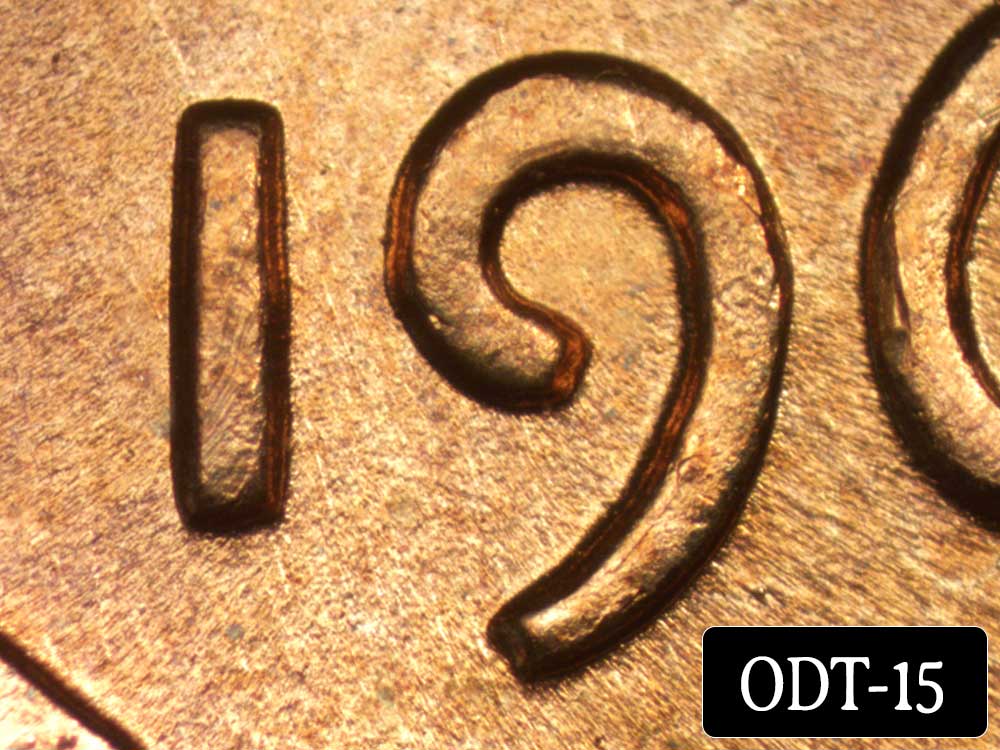
See the design types reference. Design types identify engraved designs; when differing designs create collectible alternatives within a year, see Lincoln cent design varieties.
Mint mark types
-
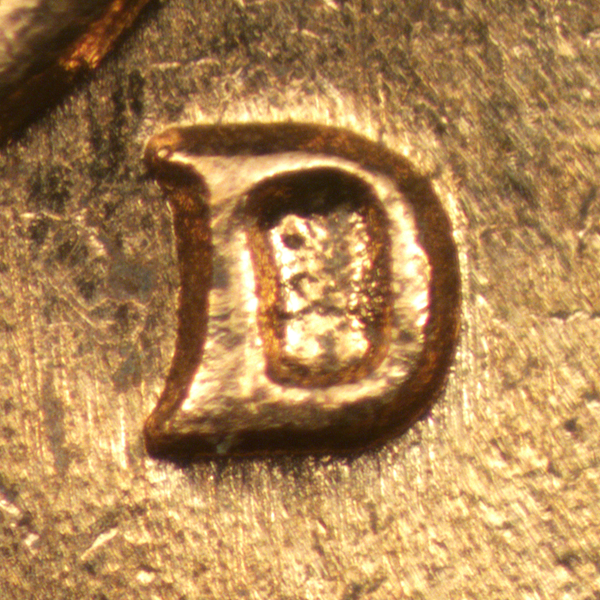 Pointed Serif-D — 1964 · business · 1968–1979
 -
 Late-Serif S — 1951–1955 · business · 1968–1970
See the mint mark types reference.
Typical values
1968 Lincoln cents from the CopperCoins series price guide (August/September 2026 edition) — approximate values only, not offers to buy or sell. Business strikes show separate BN, RB, and RD lines where priced.
Business strike
| Issue | G4 | VG8 | F12 | VF20 | EF40 | AU50 |
|---|---|---|---|---|---|---|
| 1968-P BN | 0.05 | 0.05 | 0.05 | 0.05 | 0.05 | 0 |
| 1968-P RB | ||||||
| 1968-P RD | ||||||
| 1968-D BN | 0.05 | 0.05 | 0.05 | 0.05 | 0.05 | 0 |
| 1968-D RB | ||||||
| 1968-D RD | ||||||
| 1968-S BN | 0.05 | 0.05 | 0.05 | 0.05 | 0.05 | 0 |
| 1968-S RB | ||||||
| 1968-S RD |
| Issue | AU53 | AU55 | AU58 | MS60 | MS61 | MS62 |
|---|---|---|---|---|---|---|
| 1968-P BN | 0 | 0 | 0 | 0.05 | 0.05 | 0.10 |
| 1968-P RB | ||||||
| 1968-P RD | 1 | 2 | 4 | |||
| 1968-D BN | 0 | 0 | 0 | 0.05 | 0.05 | 0.10 |
| 1968-D RB | ||||||
| 1968-D RD | ||||||
| 1968-S BN | 0 | 0 | 0 | 0.05 | 0.05 | 0.10 |
| 1968-S RB | ||||||
| 1968-S RD |
| Issue | MS63 | MS64 | MS65 | MS66 | MS67 | MS68 |
|---|---|---|---|---|---|---|
| 1968-P BN | 0.10 | 0.60 | 2.40 | 11.25 | ||
| 1968-P RB | 0.60 | 4.05 | 7.20 | 16.25 | ||
| 1968-P RD | 8 | 9.75 | 14.50 | 37.75 | 405 | |
| 1968-D BN | 0.10 | 0.60 | 2.40 | 10 | ||
| 1968-D RB | 0.60 | 4.05 | 7.20 | 15 | ||
| 1968-D RD | 6 | 8.15 | 13.50 | 26.75 | 315 | |
| 1968-S BN | 0.10 | 0.60 | 2.40 | 8.75 | ||
| 1968-S RB | 1.15 | 3.25 | 5.90 | 11.50 | 97.50 | |
| 1968-S RD | 3 | 6.65 | 11.25 | 23.75 | 162 | 11,000 |
| Issue | G4 | VG8 | F12 | VF20 | EF40 | AU50 |
|---|---|---|---|---|---|---|
| 1968-P BN | 0.05 | 0.05 | 0.05 | 0.05 | 0.05 | 0 |
| 1968-P RB | ||||||
| 1968-P RD | ||||||
| 1968-D BN | 0.05 | 0.05 | 0.05 | 0.05 | 0.05 | 0 |
| 1968-D RB | ||||||
| 1968-D RD | ||||||
| 1968-S BN | 0.05 | 0.05 | 0.05 | 0.05 | 0.05 | 0 |
| 1968-S RB | ||||||
| 1968-S RD |
| Issue | AU53 | AU55 | AU58 | MS60 | MS61 | MS62 |
|---|---|---|---|---|---|---|
| 1968-P BN | 0 | 0 | 0 | 0.05 | 0.05 | 0.10 |
| 1968-P RB | ||||||
| 1968-P RD | 1 | 2 | 4 | |||
| 1968-D BN | 0 | 0 | 0 | 0.05 | 0.05 | 0.10 |
| 1968-D RB | ||||||
| 1968-D RD | ||||||
| 1968-S BN | 0 | 0 | 0 | 0.05 | 0.05 | 0.10 |
| 1968-S RB | ||||||
| 1968-S RD |
| Issue | MS63 | MS64 | MS65 | MS66 | MS67 | MS68 |
|---|---|---|---|---|---|---|
| 1968-P BN | 0.10 | 0.60 | 2.40 | 11.25 | ||
| 1968-P RB | 0.60 | 4.05 | 7.20 | 16.25 | ||
| 1968-P RD | 8 | 9.75 | 14.50 | 37.75 | 405 | |
| 1968-D BN | 0.10 | 0.60 | 2.40 | 10 | ||
| 1968-D RB | 0.60 | 4.05 | 7.20 | 15 | ||
| 1968-D RD | 6 | 8.15 | 13.50 | 26.75 | 315 | |
| 1968-S BN | 0.10 | 0.60 | 2.40 | 8.75 | ||
| 1968-S RB | 1.15 | 3.25 | 5.90 | 11.50 | 97.50 | |
| 1968-S RD | 3 | 6.65 | 11.25 | 23.75 | 162 | 11,000 |
Proof
| Issue | PR60 | PR61 | PR62 | PR63 |
|---|---|---|---|---|
| 1968-S RD | 0.55 | 0.60 | 0.85 | 1.80 |
| 1968-S CAM | ||||
| 1968-S DCAM |
| Issue | PR64 | PR65 | PR66 |
|---|---|---|---|
| 1968-S RD | 4.80 | 7.20 | 10.75 |
| 1968-S CAM | 7.20 | 9 | 14.50 |
| 1968-S DCAM | 9.60 | 12 | 19.25 |
| Issue | PR67 | PR68 | PR69 |
|---|---|---|---|
| 1968-S RD | 16.25 | 20 | 27.50 |
| 1968-S CAM | 22.50 | 30 | 75 |
| 1968-S DCAM | 31.25 | 100 | 880 |
| Issue | PR60 | PR61 | PR62 | PR63 |
|---|---|---|---|---|
| 1968-S RD | 0.55 | 0.60 | 0.85 | 1.80 |
| 1968-S CAM | ||||
| 1968-S DCAM |
| Issue | PR64 | PR65 | PR66 |
|---|---|---|---|
| 1968-S RD | 4.80 | 7.20 | 10.75 |
| 1968-S CAM | 7.20 | 9 | 14.50 |
| 1968-S DCAM | 9.60 | 12 | 19.25 |
| Issue | PR67 | PR68 | PR69 |
|---|---|---|---|
| 1968-S RD | 16.25 | 20 | 27.50 |
| 1968-S CAM | 22.50 | 30 | 75 |
| 1968-S DCAM | 31.25 | 100 | 880 |
Die varieties in the catalog
Our attribution catalog for 1968—doubled dies, repunched mint marks, and related varieties documented by die number. This is specialist research beyond regular issue Lincoln cents.
Catalogued dies for 1968
Number of assigned dies in the CopperCoins catalog, by mint and variety type. Click a count to search that group.